
The Real Gap in All of Us Isn’t Consent, It’s Conversion
Why more than 300,000 missing patient records reveal an engineering problem, not a policy one — and why that's good news.
Why more than 300,000 missing patient records reveal an engineering problem, not a policy one — and why that's good news.

Datavant launched a new provider exchange platform, which replaces fax-based record requests with a digital workflow. It aims to give care teams real-time visibility into request status while easing the administrative burden on clinical staff.
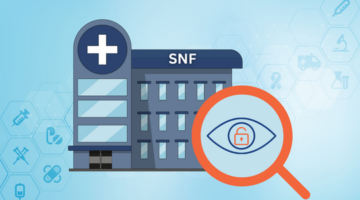
What if health plans could identify member decline before an avoidable hospitalization occurs? Real-time clinical visibility into long-stay SNF members uncovers risk earlier and drives better outcomes.

Most younger professionals entering the workforce have little visibility into interoperability, digital health infrastructure, or healthcare data architecture as career pathways.

CMS's new framework sounds like a gentle opt-in. There’s no requirement to meet every standard on day one, just a commitment to work toward doing the right thing. That sounds great. But to actually participate in the network, you have to meet a baseline level of interoperability.

The question is not whether the technology is impressive. The question is whether it shows up at the right time, with the right information, inside the workflow where the decision is being made. Anything else is just another report.

Here’s what healthcare entities should know about the maturing landscape, what to actually be concerned about, and the next stage of healthcare data evolution as we know it.

Healthcare decision-makers, especially at pharmaceutical companies, must prioritize patient input. Data collected from social media listening is a significant step in the right direction.

On July 22, a webinar sponsored by Verato will spotlight perspectives of executives from Scan Health Plan and the Alliance of Community Health Plans.

A webinar, sponsored by Verato, offered a robust discussion with executives from Providence, Yale New Haven Health System and Verato on navigating an increasingly complex landscape of sharing electronic patient data.

Patients, providers, and innovators all benefit from secure, trusted, nationwide data exchange. But this trust cannot sustain itself on fragmented governance or competitive enforcement dynamics.

The autonomous healthcare system is about to take shape, and health systems must prepare to evolve alongside it.

We have the opportunity to design systems that give people greater capacity for the work where human presence matters most: listening, understanding, reassuring, deciding, and caring.

In the push toward a more seamless, digitally enabled future, it’s important we understand exactly how this rush to interoperability may actually harm patients, instead of helping, and what we can do to make sure they keep pace.

A webinar sponsored by Verato and scheduled for June 17 from 1 pm to 2 pm ET will explore how a unified identity strategy — spanning patients, providers, and emerging solutions enabling accurate attribution — strengthens interoperability, and ultimately drives VBC success. Register today!

Replacing a paper clipboard with a QR code on your phone doesn’t kill the clipboard; it’s just a better clipboard. Why? The burden is still on the patient. It's the digital version of carrying a manila folder of records across town. This is a half-measure. It's not true interoperability.

A webinar sponsored by Verato and scheduled for June 17 from 1 pm to 2 pm ET will explore how a unified identity strategy, spanning patients, providers, and emerging solutions enable accurate attribution, strengthens interoperability, and ultimately drives VBC success.

Timely, usable data closes care gaps and improves operations, but healthcare organizations lack access.